


 FERTILIZERS


 VENTILATION


 LIGHTING


 GROWING MEDIUM


 TENTS
TENTS


 WATER ⚘ AIR PUMPS


 PH AND EC METERS


 ODOR CONTROL


 GROWING MEDIUM

 HYDROPONICS ⚘ DRIP-FLOW SYSTEMS


 ADDITIVES


 FOLIAGE REMOVAL


 PEST CONTROL


 POTS
POTS


 CONTROLLERS

 ACCESSORIES


 PH CONTROL


A plant revered for its medicinal, recreational, and industrial properties, cannabis is much more than just its effects. From chlorophyll green to deep purple hues and hints of gold, cannabis plants exhibit a wide range of colors that fascinate growers, consumers, and scientists alike. In this article, we'll take a look at how genetics, chemistry, and environment influence the color palette of this plant.
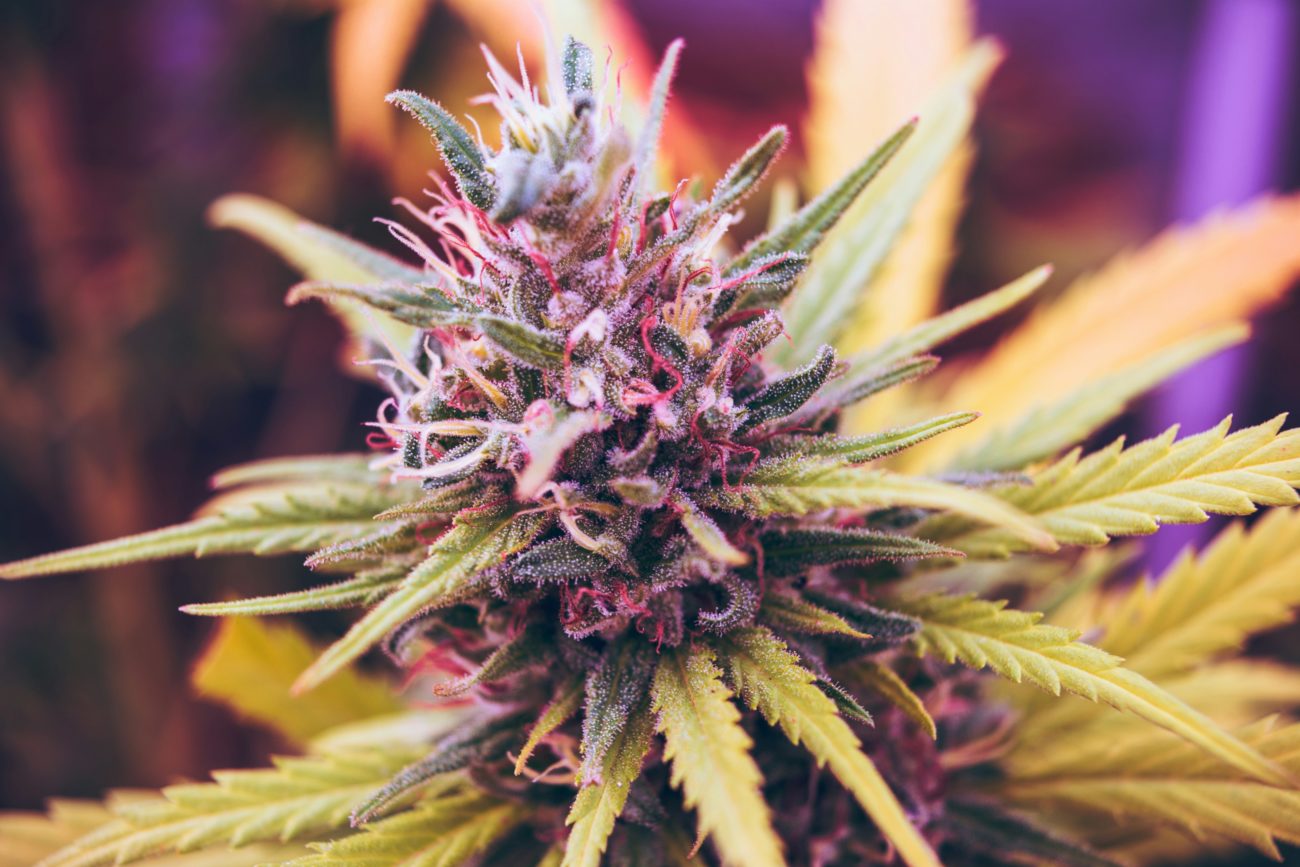
Genetics
As with many aspects of plant biology, genetics play a key role in determining the colour of a cannabis plant. Variations in the genes responsible for producing pigments such as chlorophyll, anthocyanins and carotenoids influence the colour palette found in cannabis.
Chlorophyll and its Importance in the Green Color of Cannabis
The characteristic green color of cannabis comes primarily from chlorophyll, the essential pigment for photosynthesis. Photosynthesis is the process by which plants convert sunlight into energy, and chlorophyll is what absorbs most of that light. Therefore, the more chlorophyll a plant has, the greener it will be.
Anthocyanins: The Magic Behind Purple and Blue Hues
Anthocyanins are pigments responsible for the red, purple, and blue colors in many plants, including cannabis. These pigments can be produced in different concentrations depending on the plant's genetics and environmental conditions. The presence of anthocyanins may be more evident in cannabis strains with indica strains or ancestry from colder climates, where the plant may develop these pigments as a protective response against environmental stress, such as severe cold.
Carotenoids: The Golden and Orange Tones
Carotenoids are pigments that give color to carrots, mangoes, and other fruits and vegetables. In cannabis, they can contribute to yellow, gold, or orange hues in leaves and buds. Carotenoids also play an important role in photosynthesis, absorbing certain wavelengths of light that chlorophyll cannot capture.
Environmental Factors and Their Impact on Cannabis Colors
In addition to genetics, certain environmental parameters can influence the expression of colours in cannabis. The quantity and quality of light, as well as temperatures during the plant's life cycle, can affect pigment production, creating more intense and vibrant hues.
Light: The Color Palette
Light is a crucial factor that can influence pigment production in cannabis plants. The intensity, spectrum, and duration of light a plant receives can affect the expression of pigments such as chlorophyll and anthocyanins. For example, exposure to cooler temperatures or longer nights can stimulate anthocyanin production in some cannabis strains, resulting in darker colors.
Temperature and Humidity
Temperature and humidity can also affect cannabis colors. Cooler temperatures can trigger anthocyanin production, as mentioned above, while excess heat can inhibit the development of certain pigments and cause discoloration in leaves. Likewise, optimal humidity levels can promote healthy pigment production and maintain overall plant vigor.
Nutrients
Nutrients are essential for pigment synthesis in cannabis. A deficiency or excess of certain nutrients can affect the plant's ability to produce pigments and therefore influence its coloration. For example, a nitrogen deficiency can result in yellow leaves, while an excess of iron can cause discoloration or spotting on the leaves.
liefs about Cannabis Colors
While some believe that bud colors can influence their psychoactive effects, science suggests that cannabis potency is more closely related to factors such as strain genetics and cannabinoid and terpene content. However, color diversity remains a fascinating aspect for users and growers alike.
In conclusion, the science of colours in cannabis reveals a complex interaction between genetics, chemistry and environment, offering a wide range of shades that make each plant unique in its chromatic expression.
Post comment